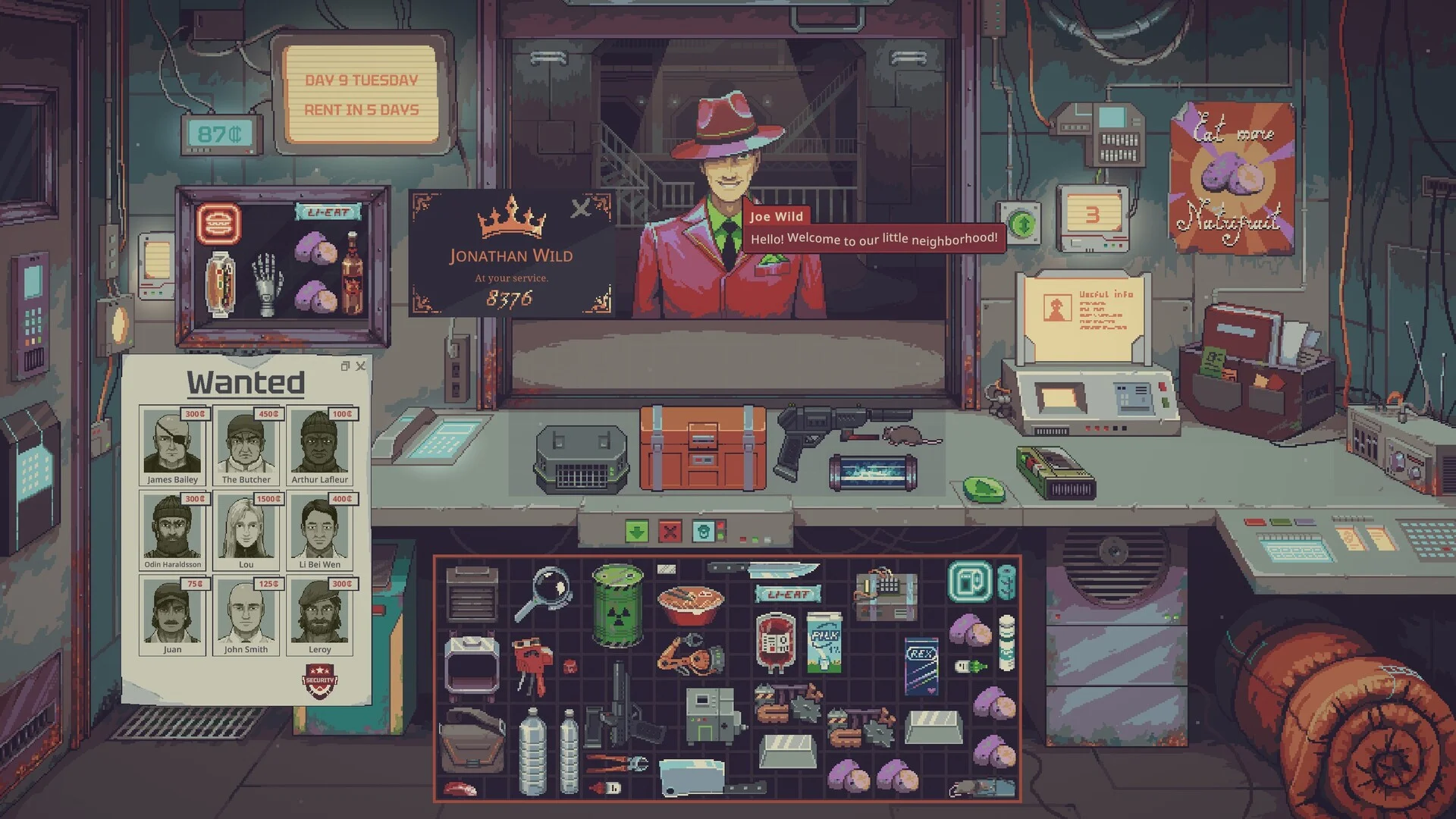
- Crates are the main loot-box system in Probably Stolen, purchased from visiting traders.
- Loot pools include batteries, energy cells, engineering parts, meds, seeds, and rare modules.
- Best strategy: open engineering and service crates early, hoard energy cells for outages.
- Key tip: high trader reputation means better traders show up and more crate offers.
- Profit plan: resell discounted crate loot during shortages and outage events.
What Are Probably Stolen Crates?
Crates are the loot-box heartbeat of Probably Stolen. Instead of crafting rare modules yourself, you buy sealed crates from the traders who visit your shop and crack them open for random contents — anything from junk batteries to rare performance and efficiency modules. Because crate stock rotates daily and depends on which traders appear, crate opening becomes a mini-game of timing, reputation management, and smart credit spending.
Video Highlights:
- Crates are bought directly from visiting traders, including engineering and service-focused vendors
- Loot commonly includes batteries, energy cells, seeds, meds, and module pieces
- Rep with traders matters: "if you guys don't show up, I don't get the boxes"
- Power outages spike energy cell prices — crate-farmed cells become free money
The crate economy ties directly into the rest of the game. A water empire, food stand, or household-goods shop generates the credits; crates convert those credits into rare upgrades and tradeable stock. Players who ignore crates entirely will stall on module optimization, since some shapes and stat combos (like the elusive L-shaped performance module) mostly arrive through random crate pulls.
Treat crates as both an upgrade source and a resale business. Even "bad" pulls like batteries routinely pay back the crate's cost during outage events.
Crate Types & Loot Pools
Different traders carry different crate categories, and each category leans toward a specific loot pool. Knowing what to expect helps you decide which crates are worth your credits on any given day.
| Crate Source | Trader Type | Common Loot | Rare Pulls | Value Rating |
|---|---|---|---|---|
| Engineering crate | Engineering vendor | Engineering parts, tools | Foundry items, performance modules | ★★★★★ |
| Service crate | Service vendor | Service parts, generic supplies | Performance modules, one-time deals | ★★★★ |
| Medical crate | Dr. Jackson / med suppliers | Meds, blood bags | Medical chips, rare substances | ★★★★ |
| Security crate | Security vendor | Security chips, access cards | Contraband, weapons | ★★★ |
| General stock | Petty thief, inventors | Batteries, household goods | Seeds, music discs, black lamps | ★★★ |
Some vendors resell crates at inflated prices during events. A 250-credit "security" offer can be a scam compared to the standard crate cost — always compare before buying.
Repeated pulls follow noticeable patterns. Batteries and energy cells appear so often that veteran players joke that "every box has cells in it" — which is exactly why energy-cell hoarding is a legit strategy. Rare pulls include L-shaped performance modules, security chips needed to unlock higher-tier trade options, and oddities like bags of seeds that weave into durable fabric.
Engineering Crates
- Best for module hunting
- Performance and efficiency parts
- Highest long-term value
Service Crates
- Balanced loot pool
- Engineering crossover items
- Great early-game picks
General Stock
- Cheap and plentiful
- Batteries, cells, household goods
- Ideal for resale profit
Step-by-Step: Turning Crates Into Profit
Crates only pay off if you process their contents correctly. Follow this loop every in-game day to keep your credit balance climbing.
Build Trader Reputation
Buy small items from visiting traders even when you don't need them. Reputation determines who shows up, and better traders carry better crates and offer authorized-purchase discounts of up to 15%.
Buy Crates During Discounts
Stack your authorized-buyer discount with low base prices. Skip crates priced above the daily norm, especially during shortage events when markups spike.
Sort Loot Immediately
Split pulls into three piles: modules you'll install, stock you'll resell, and hoard items (energy cells, seeds) that spike in value during specific events.
Sell Into Shortages
Watch the event tracker. Water shortages raise beverage prices, power outages raise energy cell prices — sell your hoard at peak markup, not on quiet days.
Reinvest in Modules
Route profits back into performance, quality, and efficiency modules around your production chain, then repeat the loop with higher throughput.
One water-empire run used crate loot (mostly batteries and cells) to fully cover crate costs while compounding module upgrades — crates effectively paid for the entire optimization chain.
What to Keep vs. What to Sell
The biggest crate mistake is selling everything immediately. Event-driven price swings mean patience often doubles your return.
| Item | Keep or Sell | Best Moment to Sell | Notes |
|---|---|---|---|
| Energy cells | Keep | Power outage events | Prices spike sector-wide during outages |
| Batteries | Keep (short-term) | Outage events | "Batteries literally pay for the box" |
| Performance modules | Keep | Install immediately | Boosts produced volume |
| Efficiency modules | Keep | Install immediately | Reduces power draw on your chain |
| Seeds | Keep | Food shortages | Sell at premium even though base value is low |
| Contraband | Keep | Special buyers only | Hidden until the right customer appears |
| Blood bags / meds | Sell or trade | Med shortages, Dr. Jackson deals | Reliable steady income |
| Household goods | Sell | Bulk buyers, drives | Clear inventory fast for reputation |
Contraband and access cards from crates often can't be traded immediately. Hold them — a buyer always eventually appears, and desperate buyers pay full price.
Daily Crate Routine Checklist
Consistency beats luck. Run this checklist each in-game day to maximize crate value without burning credits on bad deals.
Daily Crate Routine:
- Check which traders visited and their crate stock
- Compare crate prices against the daily norm before buying
- Open all new crates and sort loot into keep / sell / hoard
- Check the event tracker for shortages and outages
- Sell hoarded items only during price-spike events
- Install any new performance or efficiency modules
- Buy at least one small item to maintain trader reputation
Storage fills fast when you hoard crate loot. Buy extra storage bays before committing to a mass crate-opening session, or you'll be forced into fire-sale prices.
FAQ
Q: Are crates worth buying in Probably Stolen?
Yes, when bought at standard or discounted prices. Common pulls like batteries and energy cells often cover the crate cost outright, and rare module pulls (especially performance and efficiency shapes) are difficult to obtain any other way.
Q: How do I get better crates from traders?
Build reputation by trading regularly with each vendor. High-reputation traders visit more often, offer authorized-purchase discounts up to 15%, and bring higher-tier crate stock such as engineering and security crates.
Q: What is the rarest crate loot?
L-shaped performance modules are among the most sought-after pulls, since module shapes constrain your production layout. Security chips, access cards, and contraband are also rare and unlock special trade opportunities.
Q: Should I open crates immediately or save them?
Open them immediately to sort loot, but don't sell right away. Hoard event-sensitive items like energy cells and seeds, then sell during power outages and food shortages when prices peak.