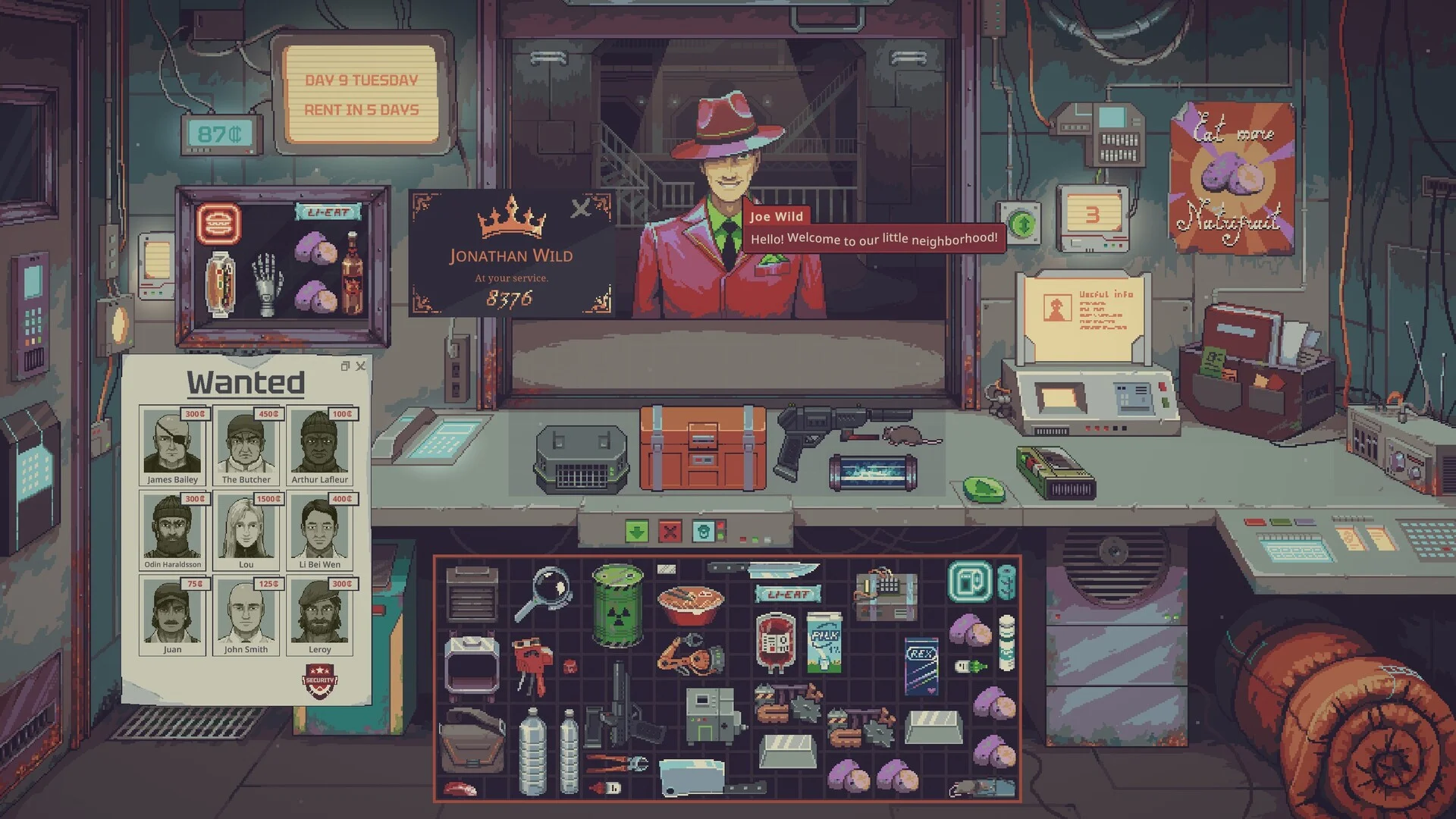
- Bargaining basics: Suppliers overstate value; customers push their luck in every deal.
- Inspection first: Appraise, test, and check permits before you name a price.
- Reputation matters: A bad name means fewer paying customers and less rent money.
- Risk vs reward: Cutting quality or selling fakes pays until security catches you.
- Know your buyer: Elites, revolutionaries, and officers each need a different approach.
Bargaining Fundamentals in Probably Stolen
In Probably Stolen, bargaining is the core loop of running your shop on a corrupt space station. Every transaction is a two-sided negotiation: suppliers inflate the value of what they sell you, and customers try to lowball or oversell you at the counter. Your job is to misjudge neither the item nor the person, because every loss comes straight out of your rent fund.
Video Highlights:
- Probably Stolen launched October 28, 2026 and topped 125,000 concurrent players
- Suppliers overstate value; rare items need proper appraisal so you don't overpay
- Cutting quality, relabeling counterfeits, and discounting stolen goods are all options
- Getting caught means hiding contraband or bribing your way out
- Rent rises no matter what, forcing riskier deals over time
The game describes your stock as "merchandise with flexible origins," and that flexibility is your leverage. When you bargain well, you buy low from desperate scavengers, sell high to arrogant elites, and keep enough credits to survive the landlord's ever-rising rent.
Never accept the first price from a supplier. Their quoted value is almost always inflated, and your margin lives or dies on the buy side of the deal.
Reading Your Customers Before You Negotiate
Every customer at your counter is a small puzzle. Bargaining successfully starts with identifying who you're dealing with, because the same offer lands very differently depending on who's on the other side.
| Customer Type | What They Want | Bargaining Approach | Risk |
|---|---|---|---|
| Security officer | Evidence of illegal trade | Refuse suspicious deals, or demand a premium | Report can earn favors |
| Revolutionary | Leverage against the elite | Discreet pricing, cash deals | Association risk |
| Fallen elite | Useful goods, discretion | Charge full price; they pay for silence | Low repeat business |
| Scavenger | Quick cash for questionable goods | Haggle hard on buy side | Contaminated stock |
| Ordinary shopper | Fair prices, clean goods | Moderate discounts build reputation | Low risk |
You never really know who's on the other side. Today's ordinary customer could be a security officer fishing for evidence. One bad sale to the wrong person can trigger inspections, raids, or worse.
Haggling Steps: From Inspection to Sale
Bargaining in Probably Stolen follows a repeatable process. Master this flow and you'll consistently protect your margins while keeping your reputation clean.
Inspect the Goods
Check what you're buying before you talk numbers. Cigarette packs need a visual inspection, water must be tested and filtered, weapons need permits and modifications, and rare items need a proper appraisal so you don't overpay.
Counter the Supplier's Price
Suppliers overstate value by default. Use your appraisal result as leverage and push back hard. If the numbers don't work, walk away—a bad purchase can sink your week.
Screen the Buyer
Identify who's buying before you set your price. Elites tolerate premium prices; desperate customers will accept less favorable terms; suspicious buyers deserve extra caution.
Price by Risk
Add a risk premium to dangerous goods. Contraband, unpermitted weapons, and untested chemicals should command higher margins to offset potential bust costs.
Close, Approve, or Report
Every sale is a choice: approve it, refuse it, report the customer, or look the less fortunate the other way. Each option has a price—credits, reputation, or favors.
Buy-side discipline beats sell-side greed. A modest, steady markup on appraised goods outperforms one big gamble on an overpriced "rare" item.
High-Risk Bargaining Tactics Compared
When rent pressure builds, the game tempts you toward shadier deals. Here's how the main cut-corner tactics stack up.
Cut Quality
- Higher short-term margin
- Damages reputation if noticed
- Contaminated goods traced back to you
Sell Counterfeits
- Relabel fakes as the real thing
- Works best on arrogant elite buyers
- Severe penalty if exposed
Discount Stolen Goods
- Fast turnover
- Attracts a risky crowd
- Risk of raids and inspections
| Tactic | Profit Potential | Reputation Impact | Security Risk | Best Target |
|---|---|---|---|---|
| Cut quality | Medium | High if caught | Low | Ordinary shoppers |
| Counterfeits | High | Medium | Medium | Elite buyers |
| Discounted stolen goods | High | Low | High | Desperate customers |
| Honest appraisal pricing | Low-medium | None | None | Everyone |
| Reporting criminals | Medium (credits/favors) | Positive with security | None | Security side |
The game warns that someone is always watching. Get caught cutting corners and you'll need to hide your contrabond or bribe your way out—and mob justice is a real possibility on the station.
Reputation and Faction Leverage
Bargaining isn't just about single deals—it's about long-term positioning. Your reputation determines foot traffic, and faction connections unlock exclusive deals you can't get at the open market price.
Key reputation rules to remember:
- Reporting criminals to security earns extra credits and favors
- Passing on contaminated goods hits your reputation when it's discovered
- A bad name means fewer paying customers and less money for rent
- Building connections with the right factions gives access to exclusive deals
Favors from security and discounts from criminal factions are both profitable, but leaning too far in either direction shapes who walks through your door—and who watches it.
Bargainer's Checklist
Before Every Big Deal:
- Appraise or test the item before naming a price
- Identify the customer type before offering terms
- Add a risk premium to contraband and unpermitted goods
- Confirm your reputation can absorb a bad outcome
- Keep a bribe fund for security emergencies
The rent goes up no matter how well your week went. Price your goods with the next payment in mind, not just today's profit.
FAQ
Q: How do I bargain without overpaying suppliers in Probably Stolen?
Always inspect and appraise items before negotiating. Suppliers overstate value by default, so use your appraisal result as leverage and walk away if the price doesn't leave a workable margin. One bad purchase can threaten your whole run.
Q: Is selling counterfeits and stolen goods worth the risk?
It can be profitable in the short term—especially selling fakes to the arrogant elite—but getting caught means hiding contraband, bribing security, or facing mob justice. Factor those costs into your risk premium before you commit.
Q: Should I report customers to security?
Reporting criminals earns extra credits and favors, and builds a positive reputation with security. However, your reputation cuts both ways: some customers will avoid a shop known for snitching. Balance reports against your foot traffic.
Q: How does rent pressure affect my bargaining strategy?
Rent rises over time regardless of your performance. Early on, play it safe with honest appraisals and steady margins. As pressure builds, the game pushes you toward riskier deals—only gamble when one loss won't end your shop.